
Viral Personal Development Video: "Sleep deprivation is a state where a person does not get enough sleep, either fo…" by @ktvski
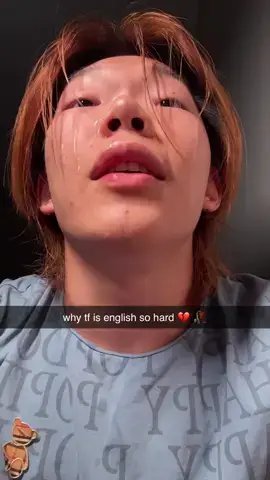
@shi.learn
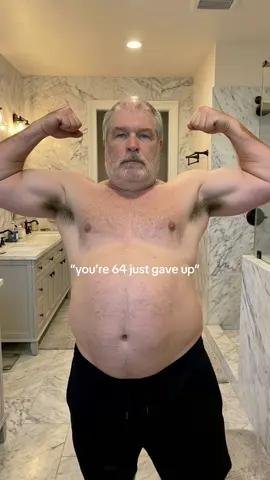
@tom.rhoe
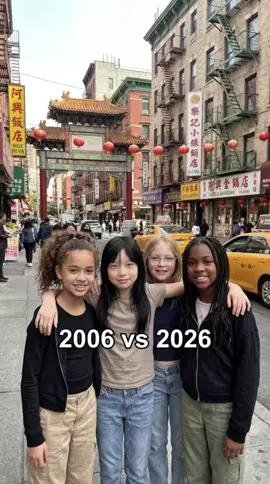
@yakuza_doll6
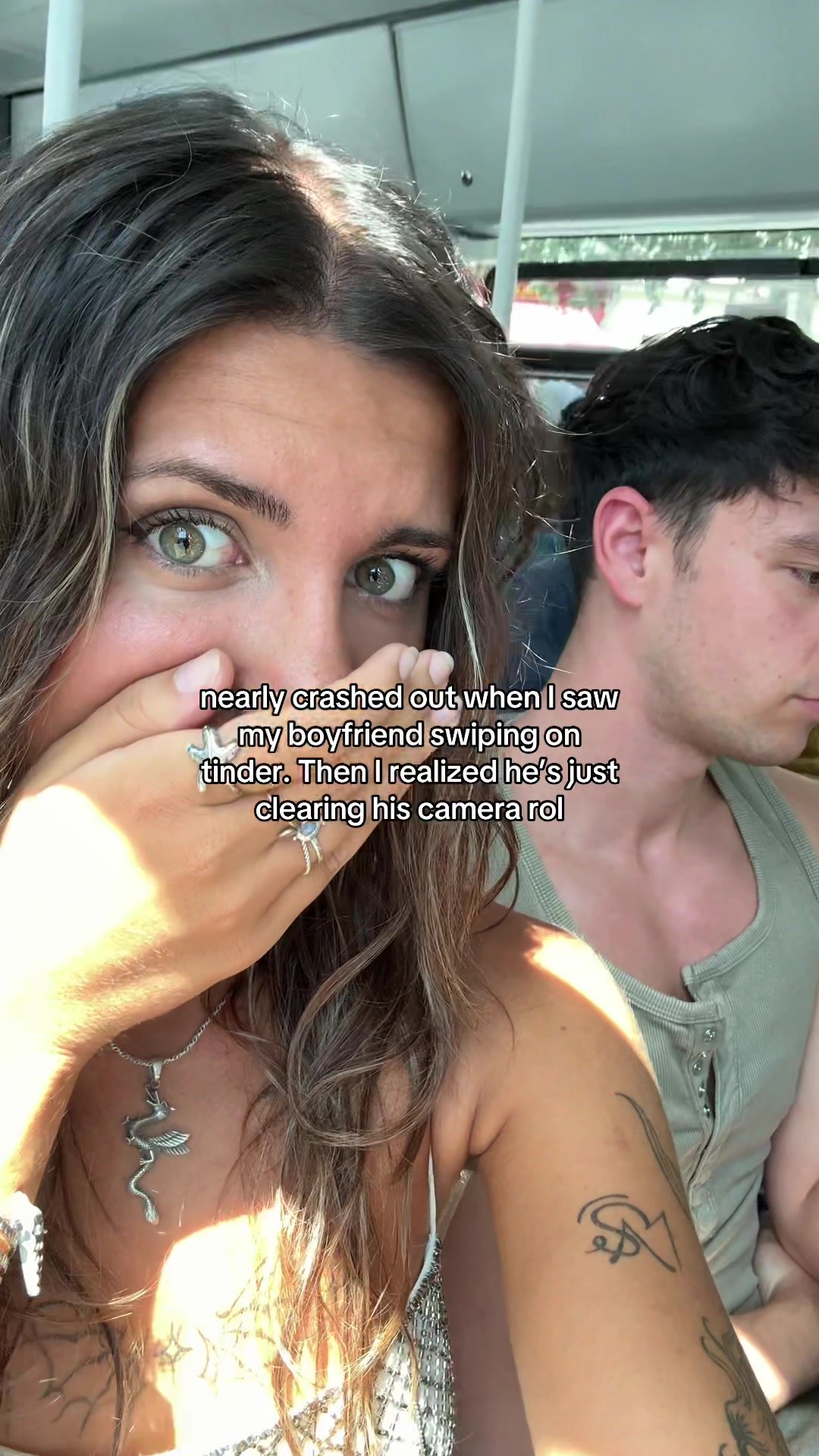
@jeanpascal.spies
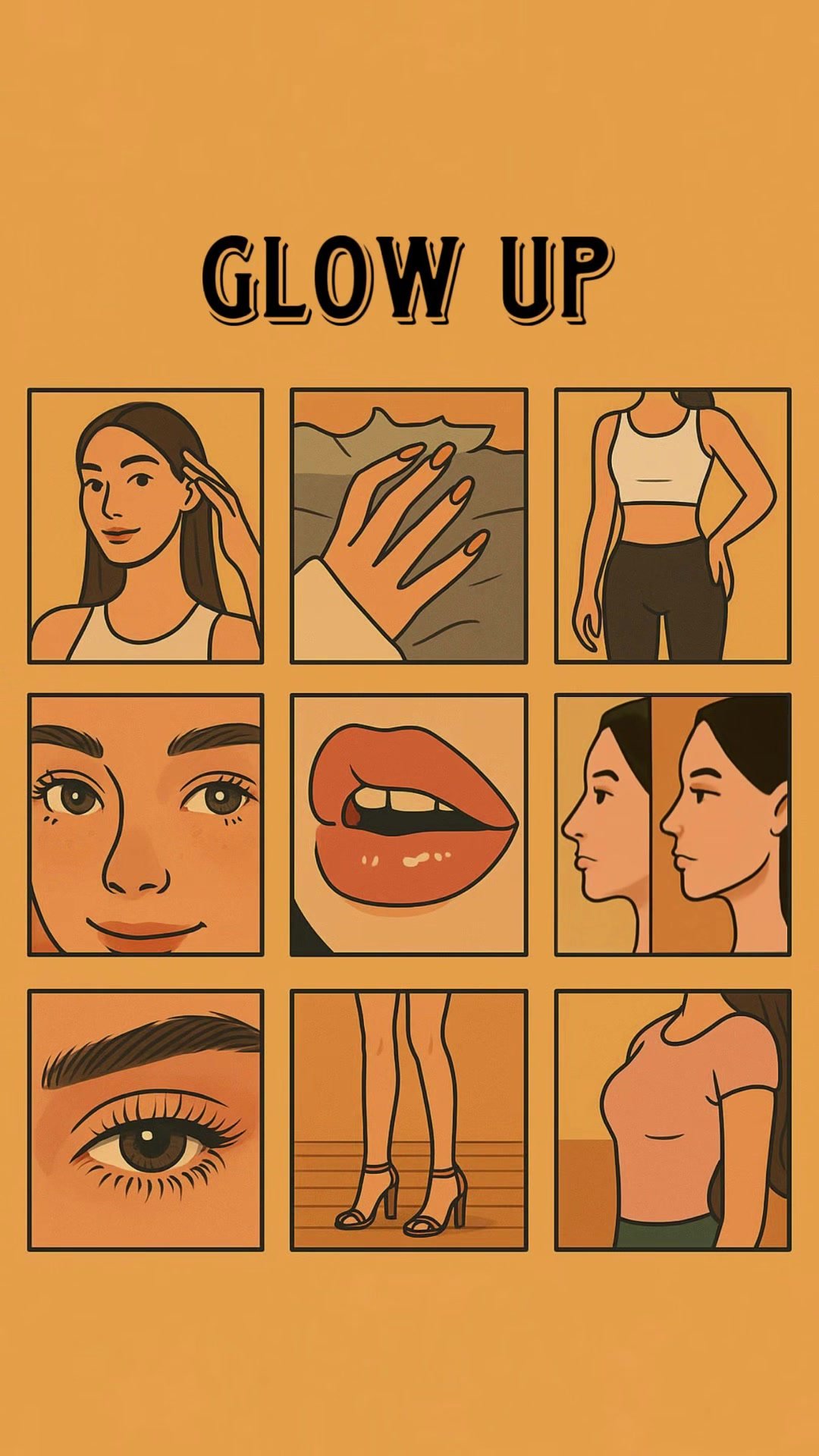
@glowwithsubly
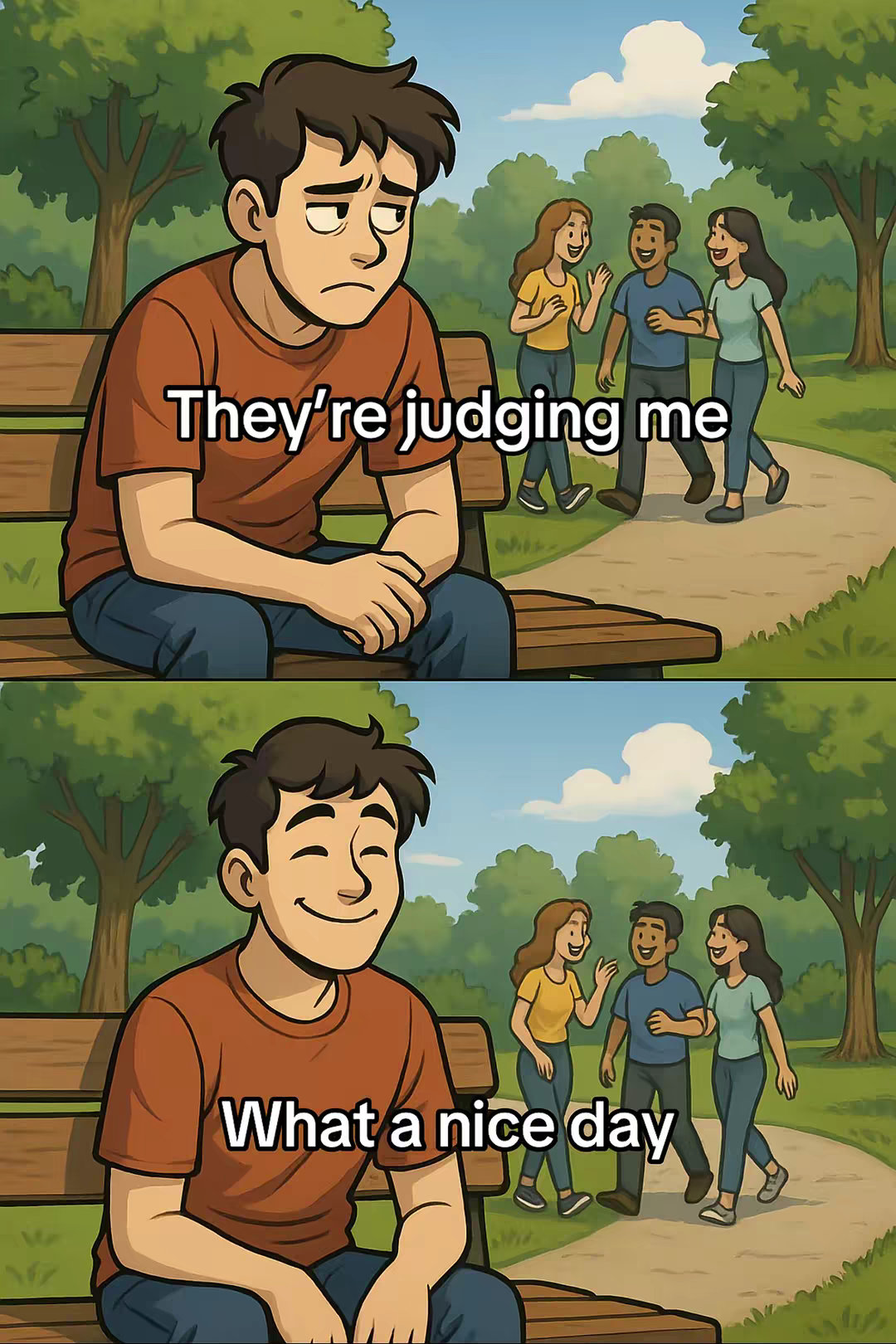
@grindai.app
@tom.rhoe
@gratitudeplus
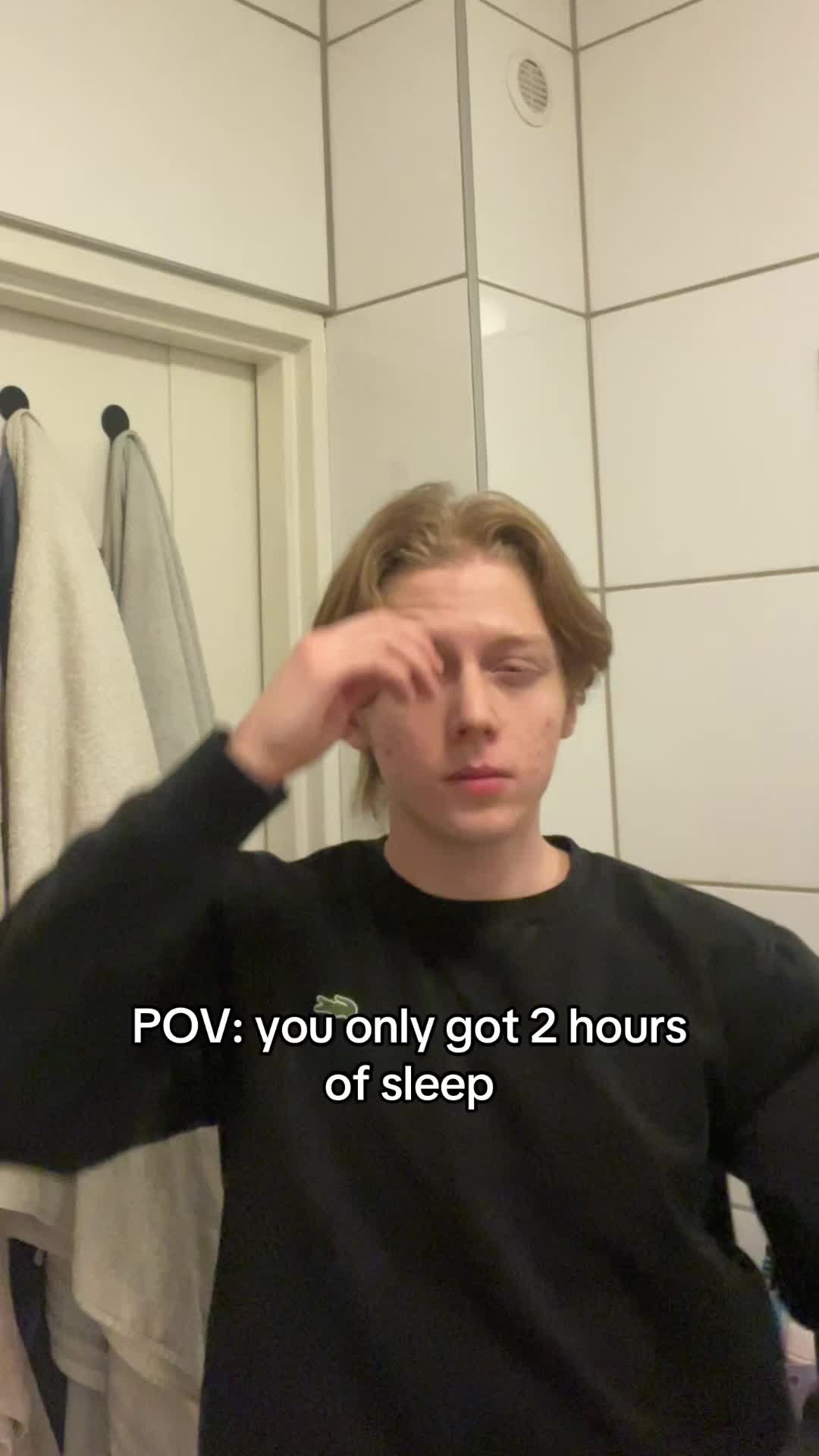
@ktvski
@nicole.studywme
@rosairr
@bepresentbros
@niki.knows.all
@disciplinetherapist
@char.recruitinghacks
@applicationintel
@are_you_really_fine21
@theexamplanner
@glowuptrixx
@theexamplanner
@prettygirlshustle.co
@thinkyonspotify
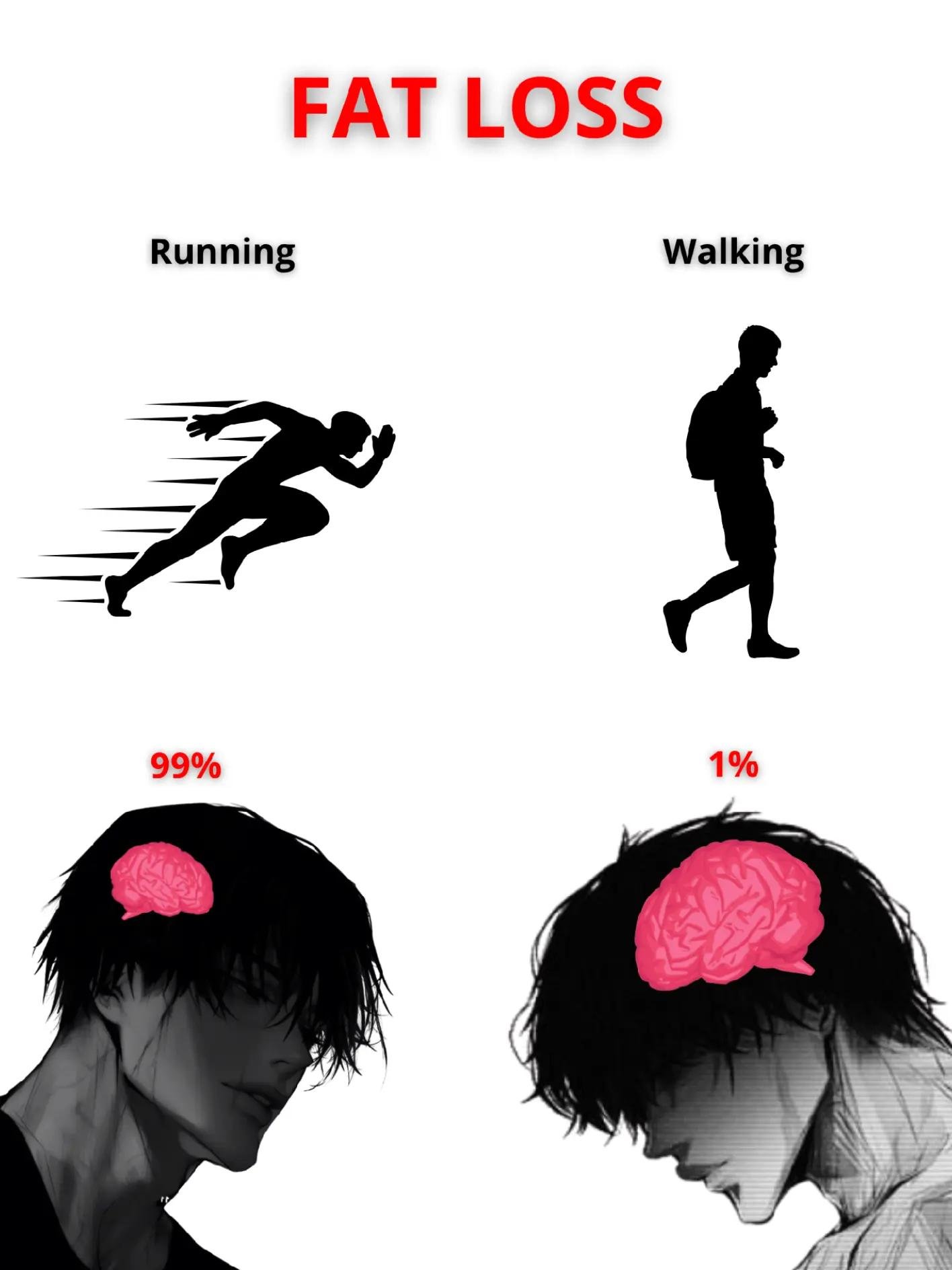
@xoldrixmax

@cashiewashie
Caption
Sleep deprivation is a state where a person does not get enough sleep, either for a short period or over a long time, and it has well-documented effects on the brain and body in scientific literature. Sleep is critical for cognitive processing, emotional regulation, and sensory integration, and when it is reduced or disrupted, normal brain signaling begins to break down. One of the most common causes of sleep deprivation is insomnia, a disorder defined by persistent difficulty falling asleep, staying asleep, or getting restorative sleep despite having adequate opportunity. Chronic insomnia is associated with increased risk of anxiety, depression, cardiovascular disease, and long-term cognitive impairment. Stress, irregular sleep schedules, shift work, psychiatric conditions, and stimulant use are frequently reported contributing factors. As sleep loss accumulates, the brain’s ability to accurately interpret sensory information becomes impaired. Research shows that after approximately 24 to 72 hours of sustained sleep deprivation, individuals may begin to experience perceptual disturbances and hallucinations. These can include visual distortions such as shadows, flashes of light, or movement in peripheral vision, auditory phenomena like hearing voices or sounds, and tactile sensations such as tingling or the feeling of something crawling on the skin. These experiences occur because sleep deprivation disrupts communication between the thalamus and cortex, causing internally generated signals to be misinterpreted as external stimuli. Cognitive performance declines significantly during sleep deprivation. Attention span shortens, reaction time slows, working memory becomes unreliable, and decision-making is impaired. Emotional regulation is also affected, leading to increased irritability, emotional instability, heightened stress responses, and reduced impulse control. Neuroimaging and neurochemical studies suggest that these effects are linked to altered dopamine signaling and reduced activity in the prefrontal cortex, a region essential for reality monitoring and executive function. Severe or prolonged sleep deprivation can produce symptoms that resemble psychotic disorders, including paranoia, dissociation, and complex hallucinations. However, research consistently indicates that these symptoms are often reversible once normal sleep is restored, distinguishing sleep-loss-induced hallucinations from primary psychiatric conditions. Treatment and prevention strategies described in the medical literature emphasize non-pharmacological approaches such as cognitive behavioral therapy for insomnia (CBT-I), regular sleep-wake schedules, circadian rhythm stabilization, and sleep hygiene practices. In some cases, short-term pharmacological interventions are used under medical supervision. Restoring sufficient, consistent sleep is shown to normalize neural activity and reduce perceptual and cognitive disturbances #sleep #pov #relatable #insomnia #fyp credit @/ tonylisenkoo
Hashtags
Monetization
Product
Why This Personal Development Content Went Viral
This personal development video by @ktvski reached 18.4M views and 3.5M likes — well above the category average of 1.7M views. The combination of a focused hook style and personal development-specific framing gives TikTok's algorithm strong early-retention signals, leading to wider distribution. Content that outperforms the category average by this margin typically nails specificity: a narrow topic, a clear setup, and an opening line that immediately signals who the video is for.
Create Personal Development content with this hook style
Genviral's AI tools analyze viral patterns and generate hooks, captions, and slideshows for you.
Create Similar Personal Development Content
Based on the hook patterns and format of this video, here are content ideas you can adapt.
Skip the brainstorming
Genviral generates ready-to-post personal development scripts, captions, and slideshows in seconds.
About Personal Development TikTok Content
In Personal Development TikTok, we track 628 viral videos averaging 1.7M views. The strongest performers combine emotional specificity with practical payoff — broad generic advice rarely breaks out. Videos focused on one concrete pain point and one clear shift consistently hold attention and earn wider distribution.
Browse all Personal Development contentCreate Personal Development Content Like This
Use Genviral's AI tools to generate slideshows and videos inspired by proven personal development hooks and formats.